Honoring Juneteenth: A Journalist’s Reflection
June 19, 1865.
A day of great historical importance I grew up knowing about for most of my life, especially growing up in the South. It's the day when the last enslaved people knew they were free (more than two years after the Emancipation Proclamation).
The day everyone could truly celebrate independence. But for most Americans, the day known as 'Juneteenth' or ‘Freedom Day' was largely unknown until our country faced another racial reckoning after the death of George Floyd in May of 2020. Then, the next year, President Joe Biden made it a federal holiday.
Some companies took the new recognition as an opportunity to capitalize. From Juneteenth ice cream to red, yellow, and green colored soap, and quite a few products in between. Even though celebrating the Black experience is important, arguments are made that brands are making money off the history and suffering of Black people without investing in them, their businesses, or causes and detracting from the meaning of the day with consumerism.
While some brands may have missed the mark over the last few years, we as journalists can't afford to do that. There are still several issues impacting freedom and access in Black communities. While it's great to cover all of the Juneteenth events happening in communities across the country, it's important to take our stories beyond the celebrations. Black and brown communities still suffer from health, educational, economic, environmental, and carceral inequities, to name a few.
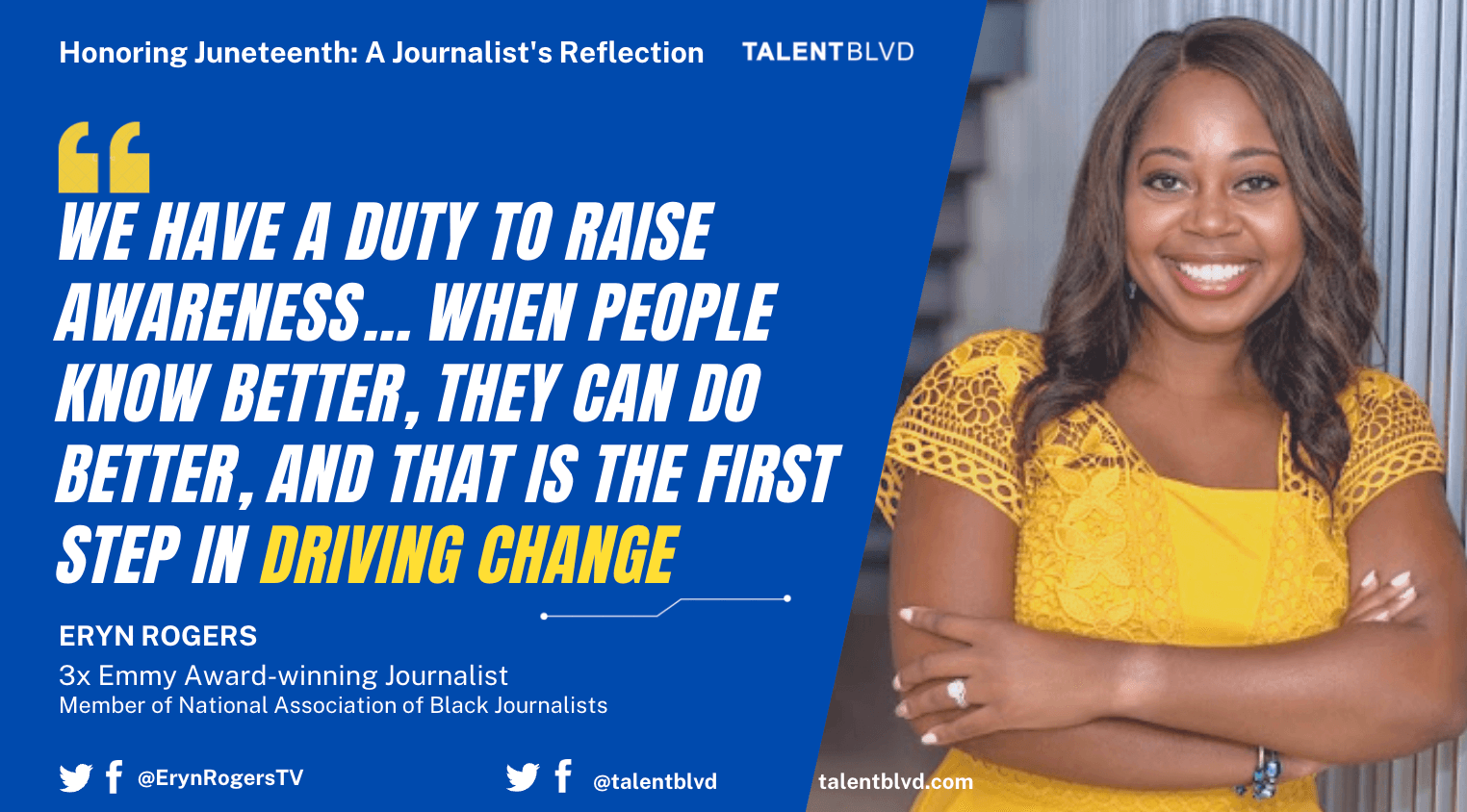
Through my career, I've covered several stories focusing on recidivism and re-entry challenges, gentrification, inequities in loans for minority farmers, HIV criminalization impacts on Black people, toxic gas being emitted into Black communities and the health implications there, transportation and educational access challenges, even food deserts. We have a duty to raise awareness in these communities that have long been silenced or overlooked. When people know better, they can do better, and that is the first step in driving change.
And as it's often said in Black communities, Black History is 365. It's not just relegated to one month or a holiday, so continue pushing to tell these stories, and amplify these voices in your newscasts each and every day.